
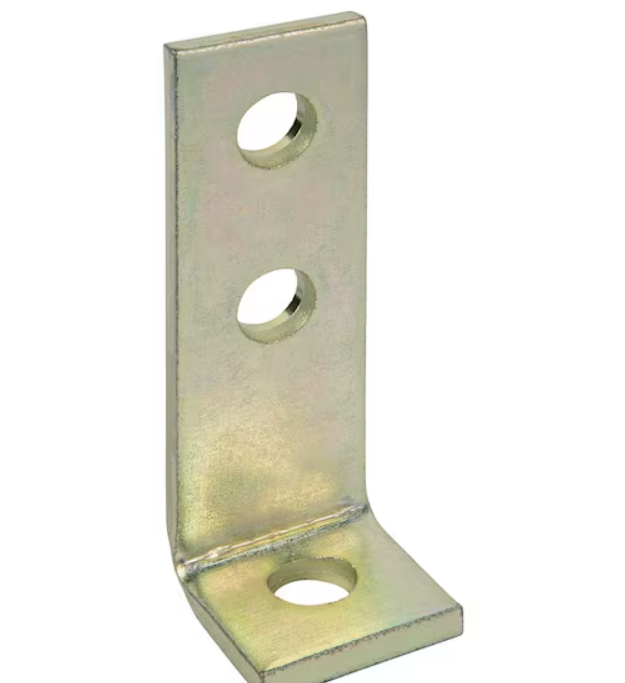
Discover why professional contractors and engineers rely on these versatile mounting solutions for their most demanding projects
When I first encountered a Kindorf bracket on a construction site fifteen years ago, I was skeptical. Another proprietary mounting system promising the world, I thought. How wrong I was. That simple piece of engineered steel would revolutionize how I approached structural support, electrical installations, and mechanical mounting challenges. Today, I can’t imagine tackling complex projects without these ingenious components in my toolkit.
The world of construction and industrial mounting is filled with countless brackets, clamps, and fasteners, each claiming superiority. Yet among this sea of options, Kindorf brackets have carved out a reputation that spans decades, earning the trust of engineers, electricians, and contractors across industries. But what makes these brackets so special? Why do seasoned professionals swear by them, and how can understanding their capabilities transform your next project?
Understanding the Kindorf Bracket: More Than Just Metal
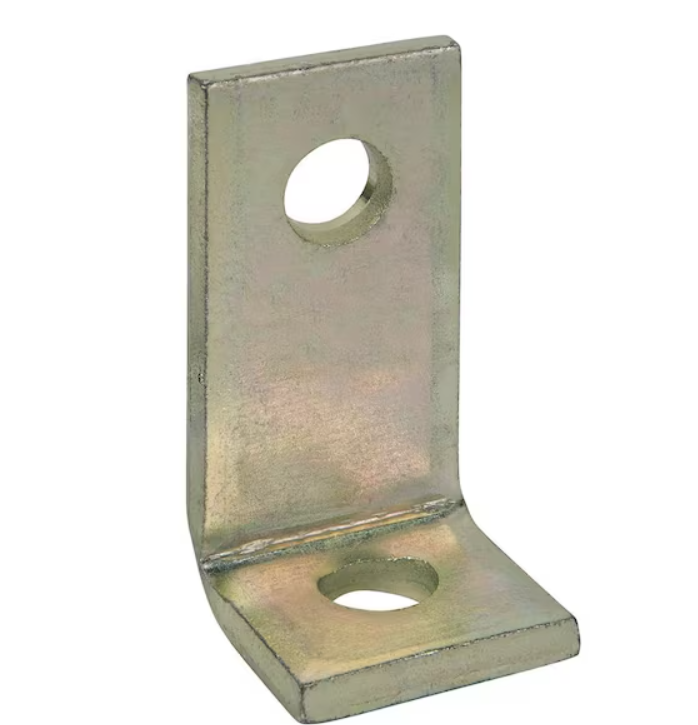
A Kindorf bracket isn’t just another piece of hardware – it’s a carefully engineered solution designed to work seamlessly with the Kindorf strut channel system. Picture a steel bracket that combines the precision of German engineering with the practical needs of American construction. These brackets serve as the critical connection points between strut channels and the components they support, whether that’s electrical conduit, HVAC ductwork, piping systems, or custom structural elements.
The genius lies in their simplicity. Each Kindorf bracket features precisely machined slots and mounting holes that align perfectly with the channel system’s dimensional standards. This isn’t accidental – it’s the result of decades of refinement and real-world feedback from contractors who demand reliability in their mounting solutions.
What sets these brackets apart from generic alternatives is their integration philosophy. While other systems treat brackets as afterthoughts, Kindorf designed their entire ecosystem around the principle that every component should work harmoniously with every other component. This means when you choose a Kindorf bracket, you’re not just buying a single piece of hardware – you’re investing in a system that will consistently deliver professional results.
The Versatile Applications of Kindorf Brackets
The question “What is a Kindorf bracket used for?” opens the door to an almost endless list of applications. In electrical installations, these brackets become the backbone of conduit routing systems, providing secure mounting points that can handle the weight and stress of heavy electrical runs. I’ve seen them supporting everything from simple residential circuits to massive industrial cable trays carrying hundreds of conductors.
HVAC professionals rely on Kindorf brackets for ductwork support, knowing that the precise engineering ensures proper alignment and prevents the sagging that can plague inferior mounting systems. The brackets’ ability to maintain their position under thermal expansion and contraction makes them particularly valuable in applications where temperature variations are significant.
In industrial settings, Kindorf brackets shine in their ability to create custom mounting solutions for specialized equipment. Whether you’re mounting sensors, actuators, or control panels, these brackets provide the flexibility to position components exactly where they need to be while maintaining the structural integrity required for demanding environments.
Construction professionals use Kindorf brackets for temporary and permanent structural supports, taking advantage of their adjustability to accommodate field conditions that rarely match the original drawings. The ability to make precise adjustments without compromising structural integrity has saved countless projects from costly delays and rework.
Installation Mastery: Getting It Right the First Time
Installing a Kindorf bracket properly is both an art and a science. The process begins with understanding the load requirements and selecting the appropriate bracket type for your specific application. This isn’t a one-size-fits-all scenario – different brackets excel in different situations, and choosing the right one from the start prevents problems down the line.
The actual installation process starts with precise measurement and marking. Kindorf brackets demand accuracy because their strength comes from proper engagement with the strut channel’s designed features. I always recommend using a quality level and measuring tape, as even small misalignments can compromise the installation’s integrity.
Securing the bracket to the strut involves more than just tightening bolts. The key is understanding how the bracket’s design distributes loads across the strut channel. Proper torque specifications aren’t suggestions – they’re engineered requirements that ensure the bracket performs as designed. Over-tightening can damage the channel, while under-tightening creates a connection that will fail under load.
One aspect that separates experienced installers from novices is their attention to the bracket’s orientation. Many Kindorf brackets have directional characteristics that affect their load capacity and performance. Taking the time to understand these nuances during installation pays dividends in system reliability and longevity.
The Complete Family of Kindorf Bracket Types
The diversity of Kindorf bracket types reflects the complexity of modern construction and industrial applications. Standard angle brackets form the foundation of the system, providing reliable 90-degree connections for the majority of mounting situations. These workhorses handle everything from simple conduit supports to complex multi-directional loads with equal competence.
Adjustable brackets represent the system’s flexibility, allowing installers to fine-tune positions and angles after initial installation. This adjustability proves invaluable when dealing with field conditions that don’t match the original plans – a common reality in construction work. The Kindorf bracket system’s adjustable options maintain full load capacity while providing the flexibility modern projects demand.
Specialized brackets address unique mounting challenges that standard options can’t handle. Wing brackets, for instance, provide extended reach capabilities, while pipe clamp brackets integrate directly with piping systems. Each specialized Kindorf bracket maintains the system’s quality standards while addressing specific application requirements.
Custom brackets round out the family, allowing engineers to specify exactly what they need for unusual applications. Kindorf’s manufacturing capabilities can produce brackets that meet specific dimensional, load, or environmental requirements while maintaining compatibility with the standard strut system.
Material Science: The Foundation of Reliability
The materials used in Kindorf bracket construction reflect a deep understanding of the environments these components must survive. Standard steel brackets use high-quality carbon steel that balances strength, workability, and cost-effectiveness. The steel selection ensures consistent mechanical properties while providing the machinability required for precise manufacturing.
Hot-dip galvanizing represents the gold standard for corrosion protection in Kindorf brackets destined for demanding environments. This process creates a metallurgical bond between the steel substrate and zinc coating, providing protection that goes far beyond simple surface treatments. The resulting finish can withstand decades of exposure to moisture, salt, and industrial atmospheres without significant degradation.
Stainless steel Kindorf brackets take corrosion resistance to the next level, using alloys specifically chosen for their performance in the harshest environments. These brackets excel in food processing facilities, chemical plants, and marine applications where even galvanized steel might not provide adequate protection. The material selection process considers not just corrosion resistance but also strength, workability, and long-term dimensional stability.
Specialized coatings and treatments expand the material options even further. Powder coatings provide both corrosion protection and aesthetic appeal, while specialized treatments can address specific chemical compatibility requirements or enhance performance in extreme temperatures.
Load Capacity: Understanding the Engineering
When professionals ask “How much weight can a Kindorf bracket hold?”, they’re really asking about the complex interplay of materials, geometry, and installation quality that determines load capacity. The answer isn’t a simple number because it depends on multiple factors that must be considered together.
Load capacity starts with the bracket’s material properties and geometry. Engineers analyze the stress distribution patterns under various loading conditions, considering not just the ultimate strength but also factors like fatigue life and safety margins. A Kindorf bracket might handle significantly more weight than its rating suggests, but the published capacities include appropriate safety factors for professional applications.
The installation quality dramatically affects actual load capacity. A properly installed Kindorf bracket can achieve its full rated capacity, while poor installation practices can reduce this capacity by 50% or more. This is why understanding proper installation techniques isn’t just recommended – it’s essential for safe operation.
Load direction matters enormously in determining capacity. Most Kindorf brackets excel under specific loading conditions while having reduced capacity in other directions. Understanding these directional characteristics allows designers to specify installations that maximize performance while maintaining safety.
Environmental factors also influence load capacity over time. Temperature variations, vibration, and chemical exposure can all affect how a Kindorf bracket performs under load. Professional installations account for these factors in their design calculations and material selection.
Dimensional Standards: Precision in Every Detail
The dimensions of a standard Kindorf bracket reflect the system’s commitment to interchangeability and precision. These aren’t arbitrary measurements – they’re carefully calculated dimensions that ensure compatibility across the entire product line while optimizing structural performance.
Standard mounting hole patterns follow industry conventions, making Kindorf brackets compatible with common fastener sizes and spacing requirements. This standardization simplifies inventory management while ensuring that brackets will work with other components in mixed installations.
The slot dimensions and geometry in Kindorf brackets precisely match the strut channel specifications, ensuring proper load transfer and secure connections. These critical dimensions are held to tight tolerances during manufacturing, guaranteeing consistent performance across production runs.
Thread specifications for adjustable brackets follow established standards, making replacement parts readily available and ensuring compatibility with standard fasteners. This attention to standardization extends to every aspect of the bracket’s design, from material thickness to bend radii.
System Compatibility: Playing Well with Others
One of the most valuable characteristics of Kindorf brackets is their compatibility with other strut systems. While optimized for use with Kindorf strut channels, these brackets can often work with other manufacturers’ products, providing flexibility in system design and component sourcing.
This compatibility extends beyond simple dimensional matching. The load transfer mechanisms, corrosion protection systems, and adjustment features of Kindorf brackets are designed to work effectively even when paired with non-Kindorf components. This flexibility has made these brackets popular choices for retrofit applications and mixed-system installations.
However, compatibility doesn’t mean all combinations are optimal. Professional installers understand which combinations work best and which might compromise performance. A Kindorf bracket paired with a well-manufactured competitor’s strut will typically perform excellently, while pairing with lower-quality components can limit the overall system performance.
The compatibility philosophy extends to accessories and fasteners. Kindorf brackets work with standard nuts, bolts, and washers, eliminating the need for specialized fasteners in most applications. This standardization reduces inventory requirements and simplifies maintenance procedures.
Outdoor Performance: Built for the Elements
When considering whether Kindorf brackets can be used for outdoor projects, the answer is an emphatic yes – with proper material and finish selection. These brackets are engineered to handle the challenges of exterior environments, from temperature extremes to corrosive atmospheric conditions.
The key to successful outdoor applications lies in matching the bracket material and finish to the specific environmental challenges. Galvanized Kindorf brackets provide excellent protection in most climates, while stainless steel options handle the most severe conditions. The selection process should consider not just current conditions but also potential changes over the installation’s expected lifespan.
UV resistance, while not typically a concern for steel brackets, becomes important for any non-metallic components or coatings. Kindorf brackets with specialized coatings are formulated to resist UV degradation, maintaining both appearance and protection properties over decades of sun exposure.
Thermal cycling presents another challenge for outdoor installations. Kindorf brackets are designed to handle the expansion and contraction cycles that result from daily and seasonal temperature variations. The materials and connections maintain their integrity through thousands of thermal cycles without loosening or failing.
Drainage and moisture management play crucial roles in outdoor performance. Kindorf brackets are designed with features that promote drainage and prevent water accumulation, reducing the risk of corrosion even in persistently wet environments.
Finish Options: Protection Meets Aesthetics
The finish options available for Kindorf brackets reflect both the functional requirements of corrosion protection and the aesthetic demands of visible installations. Each finish type offers specific advantages, and selecting the right one requires understanding both the environmental challenges and appearance requirements.
Hot-dip galvanizing remains the most popular finish for Kindorf brackets in industrial and utility applications. This process provides exceptional corrosion protection while maintaining the bracket’s structural properties. The zinc coating sacrificially protects the underlying steel, ensuring long-term performance even if the coating is damaged.
Powder coating finishes combine corrosion protection with aesthetic appeal, making them ideal for architectural applications where Kindorf brackets will be visible. These finishes are available in a wide range of colors and textures, allowing designers to specify brackets that complement their overall design vision.
Stainless steel brackets often require minimal finishing beyond the natural corrosion resistance of the alloy itself. However, special treatments can enhance appearance or provide additional protection in extreme environments. Passivation treatments optimize the natural corrosion resistance, while electropolishing creates a smooth, easy-to-clean surface.
Custom finishes address specialized requirements that standard options can’t meet. Chemical-resistant coatings, food-grade finishes, and specialized color matching are all possible with Kindorf brackets, demonstrating the system’s flexibility in meeting unique project requirements.
Comparative Analysis: How Kindorf Stacks Up
When comparing Kindorf brackets to other bracket brands, several key differentiators emerge that explain their popularity among professionals. The first and most obvious difference is the attention to system integration – while many manufacturers produce isolated products, Kindorf designs every component to work seamlessly with every other component.
Material quality represents another significant advantage. Kindorf brackets consistently use high-grade materials with appropriate safety factors, while some competitors cut costs by using thinner materials or lower-grade alloys. This difference might not be apparent initially but becomes critical when installations are subjected to real-world stresses.
Manufacturing precision sets Kindorf brackets apart in their dimensional accuracy and surface finish quality. The investment in precision manufacturing equipment and quality control processes results in brackets that fit correctly the first time and maintain their dimensions over years of service.
The engineering support available with Kindorf brackets exceeds what most competitors provide. Load tables, installation guidelines, and technical support help ensure that brackets are properly specified and installed. This support extends the effective capabilities of the installing contractor’s team.
Corrosion Resistance: Long-Term Protection Strategies
The corrosion resistance of Kindorf brackets isn’t accidental – it’s the result of careful material selection, advanced protective coatings, and design features that minimize corrosion risks. Understanding these protection strategies helps specify the right bracket for each application’s long-term requirements.
Galvanic protection forms the foundation of most Kindorf bracket corrosion resistance strategies. Hot-dip galvanizing creates a zinc layer that preferentially corrodes, protecting the underlying steel structure. This sacrificial protection continues working even if the coating is scratched or damaged, providing long-term security.
Barrier protection supplements galvanic protection in harsh environments. Specialized coatings create impermeable barriers that prevent corrosive agents from reaching the steel substrate. These coatings are formulated for specific environmental challenges, from chemical processing plants to marine installations.
Design features in Kindorf brackets minimize corrosion risks by eliminating water traps and promoting drainage. Sharp corners that might concentrate stress and accelerate corrosion are eliminated, while smooth transitions distribute stresses more evenly.
Installation Tools: The Right Equipment for the Job
Installing Kindorf brackets properly requires the right tools, and understanding these requirements prevents delays and ensures quality results. The tool requirements aren’t extensive, but using appropriate equipment makes the difference between a professional installation and a problematic one.
Basic hand tools form the foundation of any Kindorf bracket installation kit. Quality wrenches, both fixed and adjustable, ensure proper torque application without damaging fasteners. Socket sets provide the speed and precision needed for installations with multiple fasteners.
Measuring and marking tools become critical for maintaining accuracy across multiple bracket installations. A quality level ensures proper alignment, while measuring tapes and squares provide the accuracy needed for professional results. Marking tools should create clear, temporary marks that won’t compromise the finish.
Cutting and drilling equipment expands the possibilities for custom installations. Hole saws, drill bits, and cutting tools allow field modification of Kindorf brackets when unique circumstances demand custom solutions. However, any field modifications should be carefully considered to ensure they don’t compromise the bracket’s structural integrity.
Safety equipment protects installers while ensuring quality work. Safety glasses, gloves, and appropriate clothing prevent injuries while allowing installers to focus on achieving precise, professional results.
Electrical Installation Excellence
The use of Kindorf brackets in electrical installations represents one of their most common and demanding applications. Electrical systems require mounting solutions that provide reliable support while accommodating the unique requirements of conduit, cable tray, and equipment mounting.
Code compliance becomes paramount in electrical applications, and Kindorf brackets are designed to meet or exceed relevant electrical codes and standards. The brackets’ load ratings, material specifications, and grounding provisions are all engineered to support code-compliant installations.
Grounding considerations play a crucial role in electrical installations using Kindorf brackets. The brackets’ conductive properties and connection methods ensure reliable grounding paths when properly installed. Understanding these grounding characteristics helps electricians create installations that meet safety requirements while maintaining system reliability.
Flexibility requirements in electrical systems are well-served by the adjustability built into many Kindorf brackets. As electrical systems evolve and expand, the ability to relocate and adjust mounting points without major system modifications proves invaluable.
Mounting Hardware: Complete Solutions
The question of whether Kindorf brackets come with mounting hardware reveals an important aspect of the system’s design philosophy. While some brackets include basic mounting hardware, the system is designed around standard fasteners that are readily available and easily replaced.
This approach provides several advantages over proprietary fastener systems. Standard nuts, bolts, and washers are available worldwide, simplifying maintenance and reducing long-term costs. The use of standard fasteners also allows installers to select fasteners optimized for their specific application requirements.
Fastener specifications for Kindorf brackets are clearly documented, eliminating guesswork in hardware selection. Grade requirements, torque specifications, and finish requirements are all specified to ensure proper performance and compatibility.
The availability of specialized fasteners expands the system’s capabilities for unique applications. Vibration-resistant fasteners, chemical-resistant options, and high-temperature variants are all compatible with Kindorf brackets, providing flexibility for demanding applications.
Construction Applications: Building the Future
The common applications for Kindorf brackets in construction span from simple utility supports to complex structural systems. Understanding these applications helps construction professionals recognize opportunities where these brackets can improve their projects’ quality, speed, and long-term performance.
Structural support applications leverage the brackets’ load capacity and adjustability to create temporary and permanent support systems. From concrete form supports to equipment mounting platforms, Kindorf brackets provide the strength and flexibility construction projects demand.
Utility routing represents another major construction application, where Kindorf brackets support the complex networks of electrical, plumbing, and HVAC systems that make modern buildings functional. The brackets’ compatibility with multiple utility types simplifies system design and reduces installation costs.
Architectural applications highlight the brackets’ aesthetic potential, where careful finish selection and precise installation create support systems that complement rather than detract from the overall design vision.
Securing Excellence: Attachment Techniques
Understanding how to secure a Kindorf bracket to a Kindorf strut properly ensures installations that meet their full performance potential. This process involves more than simply tightening fasteners – it requires understanding how loads transfer through the connection and how to optimize this transfer.
The engagement between bracket and strut must be complete and properly aligned. Partial engagement reduces load capacity and can lead to premature failure under load. Visual inspection during installation confirms proper engagement before final tightening.
Torque specifications aren’t suggestions – they’re engineered requirements that ensure proper load transfer while preventing damage to components. Under-torquing creates loose connections that will fail, while over-torquing can damage the strut channel or strip fastener threads.
Load distribution across multiple fasteners requires attention to fastener sequence and torque application. Following proper tightening sequences ensures even load distribution and prevents stress concentrations that could compromise the installation.
Load Documentation: Engineering Confidence
Load capacity charts for Kindorf brackets provide the engineering data needed to specify installations with confidence. These charts aren’t simple weight tables – they’re comprehensive engineering documents that account for multiple loading conditions, safety factors, and installation variables.
Understanding how to read and apply these charts requires some engineering knowledge, but the investment in understanding pays dividends in system reliability and regulatory compliance. The charts account for different loading directions, environmental factors, and installation configurations.
Safety factors built into the published load ratings provide margins for real-world variations in installation quality, material properties, and loading conditions. These factors ensure that properly installed systems will perform reliably even under conditions more severe than originally anticipated.
Dynamic loading considerations address the reality that most installations experience varying loads rather than static conditions. The load charts account for fatigue effects and provide guidance for installations subject to vibration or cyclic loading.
Warranty Protection: Confidence in Quality
The warranty on Kindorf brackets reflects the manufacturer’s confidence in their product quality and manufacturing processes. Understanding warranty terms helps specifiers and installers make informed decisions about system selection and installation practices.
Material defect coverage addresses manufacturing issues that might not be apparent during initial installation but could affect long-term performance. This coverage provides peace of mind for large installations where bracket failure could have significant consequences.
Corrosion protection warranties vary by finish type and application environment, reflecting the different performance expectations for various protective systems. These warranties help users select appropriate finishes for their specific environmental challenges.
Performance guarantees extend beyond simple defect coverage to address the brackets’ ability to meet their published specifications under normal use conditions. This level of warranty coverage demonstrates the manufacturer’s confidence in their engineering and manufacturing processes.
The Future of Mounting Solutions
As we look toward the future of construction and industrial mounting solutions, Kindorf brackets continue to evolve while maintaining their fundamental commitment to quality, reliability, and system integration. New materials, coatings, and manufacturing techniques promise even better performance and expanded capabilities.
Sustainability considerations are driving developments in recycled materials and environmentally friendly coatings, while maintaining the performance standards professionals demand. These developments ensure that Kindorf brackets will continue meeting both performance and environmental requirements.
Digital integration possibilities, from embedded sensors to smart coatings that indicate maintenance requirements, represent exciting frontiers for mounting system technology. As buildings become smarter and more connected, the infrastructure that supports these systems must evolve accordingly.
The enduring appeal of Kindorf brackets lies not in any single feature but in their systematic approach to solving mounting challenges. From material selection through manufacturing precision to installation support, every aspect of these brackets reflects a commitment to professional-grade solutions that deliver reliable, long-term performance.
Whether you’re an electrical contractor routing complex conduit systems, a mechanical engineer designing equipment supports, or a construction professional seeking reliable mounting solutions, Kindorf brackets offer the engineering excellence, material quality, and system integration that modern projects demand. Their proven track record in demanding applications, combined with ongoing innovations, ensures they’ll remain the preferred choice for professionals who refuse to compromise on quality.
In a world filled with mounting solutions that promise everything and deliver disappointment, Kindorf brackets stand apart by consistently exceeding expectations. They represent not just hardware, but a philosophy that prioritizes engineering excellence, manufacturing precision, and long-term reliability over short-term cost savings. For professionals who understand the true cost of failure, this philosophy makes Kindorf brackets not just a choice, but the obvious choice.