
Kindorf
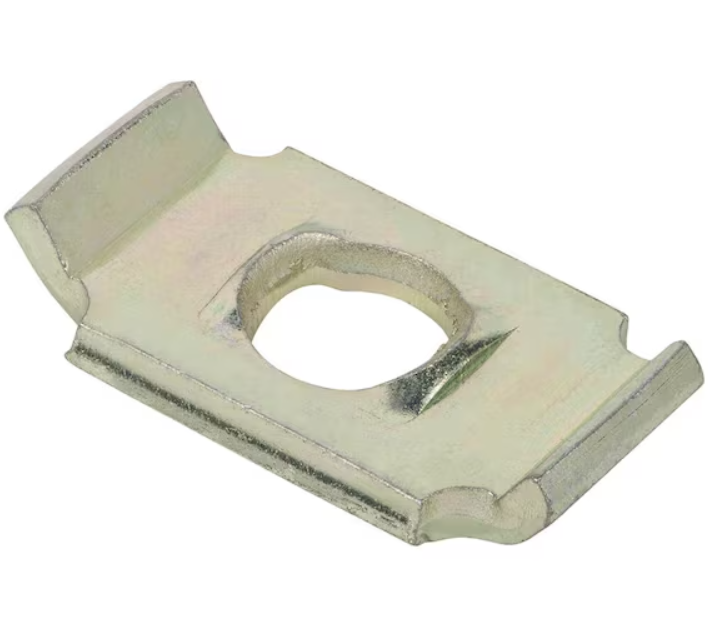
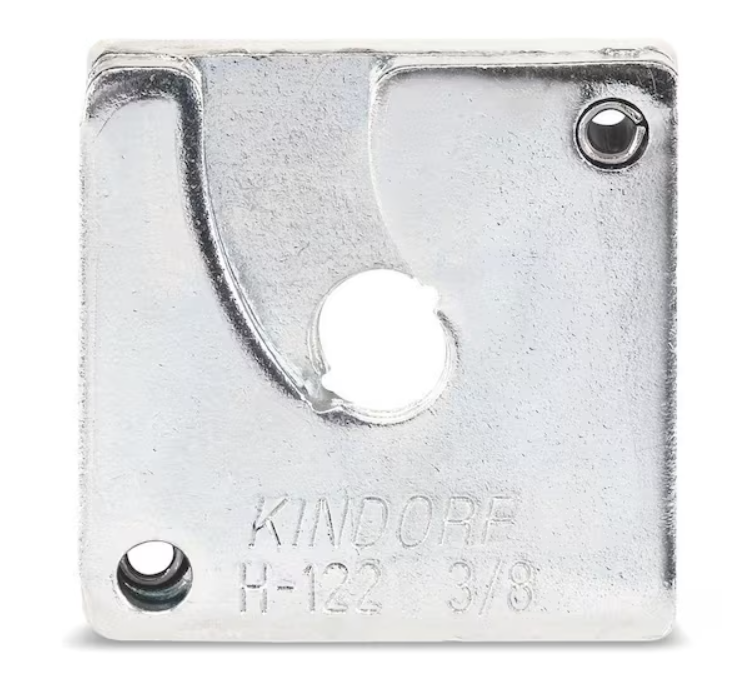
3/8 in. Trapnut Steel Fastener – Silver Galvanized (3-Pack) – Strut Fitting (H 122 3/8 EG-10)
- Fewer parts, making it easy to install
- Precision threads trap the threaded rod for a sturdy hold that can be adjusted up or down for fine-tune positioning
- Locking pin holds it in the desired position
Discover how these versatile metal framing channels revolutionized construction and industrial applications across the globe
In the world of construction and industrial engineering, there exists a category of products that might not capture headlines but forms the backbone of countless structures around us. Among these unsung heroes, Kindorf struts stand as a testament to German engineering precision and American manufacturing excellence. These seemingly simple metal channels have revolutionized how we approach structural support, electrical installations, and mechanical systems in buildings worldwide.
The story of Kindorf struts is one of innovation born from necessity. When engineers and contractors needed a reliable, versatile, and cost-effective solution for supporting various building systems, traditional methods often fell short. Heavy steel beams were overkill for many applications, while custom fabrication was time-consuming and expensive. Enter the Kindorf strut channel system – a standardized solution that would transform the industry.
Understanding the Fundamentals: What is a Kindorf Strut Used For?
Kindorf struts serve as the skeletal framework for numerous applications in modern construction. These versatile metal channels function as structural support systems for electrical conduits, HVAC ductwork, plumbing installations, and mechanical equipment. Their primary purpose extends far beyond simple support – they provide a standardized platform that enables engineers and contractors to create complex three-dimensional frameworks with remarkable efficiency.
The genius of Kindorf struts lies in their modular design. Unlike traditional construction methods that require custom welding or complex joinery, these strut channels utilize a standardized slot pattern that accepts a wide variety of specialized hardware. This design philosophy allows for rapid assembly, easy modification, and exceptional versatility in field applications.
In electrical installations, Kindorf struts excel at supporting cable trays, conduit runs, and junction boxes. The channels provide a clean, organized pathway that facilitates maintenance and future modifications. HVAC contractors rely on these systems to support ductwork, fan units, and air handling equipment, while plumbers use them for pipe supports and fixture mounting. The industrial sector has embraced Kindorf struts for equipment mounting, conveyor systems, and process piping support.
The telecommunications industry has found Kindorf struts particularly valuable for supporting fiber optic cables, antenna systems, and equipment racks. Data centers utilize these systems extensively for cable management and server mounting applications. Even in residential applications, Kindorf struts provide elegant solutions for garage storage systems, workshop organization, and utility room installations.
Sourcing Your Materials: Where Can I Buy Kindorf Strut Channels?
The availability of Kindorf struts has expanded significantly since their introduction, reflecting their widespread adoption across multiple industries. Today, these essential components can be sourced through various channels, each offering distinct advantages depending on project requirements and scale.
Electrical wholesale distributors represent the primary source for Kindorf strut products. These specialized suppliers maintain extensive inventories of standard channels, fittings, and accessories, serving both large contractors and smaller specialty firms. Major distributors like Graybar, WESCO, and Rexel typically stock comprehensive selections of Kindorf strut components, offering competitive pricing for volume purchases.
Industrial supply companies provide another vital distribution channel, particularly for mechanical and general construction applications. Companies such as Grainger, Fastenal, and MSC Industrial Supply maintain both physical locations and online platforms that facilitate easy ordering and rapid delivery. These suppliers often provide technical support and application assistance, helping customers select appropriate components for specific projects.
Regional steel service centers have increasingly added Kindorf strut products to their offerings, recognizing the growing demand from local contractors. These facilities often provide value-added services such as custom cutting, drilling, and finishing, allowing customers to receive job-ready components. The relationship-based nature of regional suppliers often translates to competitive pricing and flexible terms for regular customers.
Online marketplaces have democratized access to Kindorf strut products, enabling smaller contractors and DIY enthusiasts to source materials efficiently. Platforms like Amazon Business, eBay, and specialized construction supply websites offer extensive selections with detailed specifications and customer reviews. While pricing may vary, the convenience and accessibility of online purchasing have made Kindorf struts available to a broader market segment.
Direct manufacturer relationships provide the most comprehensive support for large-scale projects. Working directly with Kindorf or their authorized representatives ensures access to the complete product line, technical expertise, and potential custom solutions. These relationships often include engineering support, submittal preparation, and project-specific pricing arrangements.
Precision in Every Dimension: Understanding Kindorf Strut Channel Specifications
The dimensional characteristics of Kindorf strut channels reflect decades of refinement and standardization. Understanding these specifications is crucial for proper system design and ensures compatibility with the extensive ecosystem of compatible hardware and accessories.
The most common Kindorf strut profile follows the industry-standard dimensions established for metal framing channels. The channel depth typically measures 1-5/8 inches, while the width spans 1-5/8 inches, creating a nearly square cross-section that maximizes structural efficiency. The slot openings, which are fundamental to the system’s versatility, measure 9/16 inch wide by 1-1/8 inches long on 2-inch centers along the channel length.
The wall thickness of Kindorf strut channels varies depending on the specific model and load requirements. Standard channels typically feature 12-gauge steel construction (0.105 inches thick), providing an excellent balance of strength and weight. Heavy-duty applications may specify 11-gauge channels (0.120 inches thick), while lighter applications might utilize 14-gauge options (0.075 inches thick).
Channel web dimensions are precisely controlled to ensure proper fit with standard hardware. The back-to-back dimension of the channel lips measures exactly 1-1/4 inches, accommodating standard spring nuts and other connecting hardware. The slot depth extends 3/8 inch into the channel web, providing secure engagement for various fastening systems.
Surface finishes add minimal thickness to the base dimensions, typically ranging from 0.0002 to 0.003 inches depending on the coating type. Hot-dip galvanized finishes represent the thickest coating, while electroplated finishes add minimal dimension. These variations are generally accommodated within standard tolerances and rarely affect hardware compatibility.
The precision manufacturing of Kindorf strut channels ensures consistent dimensions across production runs, enabling contractors to specify components with confidence. Dimensional tolerances typically fall within ±1/16 inch for length and ±0.005 inches for critical dimensions such as slot spacing and web thickness. This consistency is essential for maintaining system integrity and ensuring proper load distribution.
Mastering the Installation: How Do You Install a Kindorf Strut?
The installation of Kindorf strut systems requires careful planning, proper tools, and adherence to engineering principles. While the modular nature of these systems simplifies many aspects of installation, successful implementation depends on understanding both the mechanical properties of the components and the structural requirements of the application.
Planning represents the critical first phase of any Kindorf strut installation. This process begins with a thorough analysis of the support requirements, including load calculations, span limitations, and environmental considerations. Engineers must determine the appropriate channel size, spacing, and support configuration to meet the specific demands of the application. Proper planning also includes identifying connection points to the building structure and ensuring adequate clearances for the supported systems.
The installation process typically begins with establishing the primary support points. Kindorf struts require secure attachment to the building structure, usually through concrete anchors, steel welds, or structural bolts. The selection of attachment methods depends on the substrate material, load requirements, and local building codes. Concrete applications often utilize expansion anchors or concrete inserts, while steel structures may employ welded connections or high-strength bolts.
Layout and measurement accuracy prove crucial for successful Kindorf strut installations. The modular nature of the system relies on precise positioning to ensure proper alignment of channels and hardware. Installers typically establish reference lines and elevation benchmarks before beginning physical installation. Laser levels and transit instruments facilitate accurate positioning, particularly for long runs or complex three-dimensional frameworks.
The physical installation of Kindorf strut channels follows established sequences that maximize efficiency and ensure structural integrity. Primary channels are typically installed first, followed by cross-bracing and secondary supports. The slotted design of the channels allows for easy adjustment during installation, accommodating minor dimensional variations and field conditions.
Connection hardware selection and installation require careful attention to load paths and structural continuity. Kindorf strut systems utilize specialized nuts, bolts, and brackets designed to work within the slotted channel system. Spring nuts provide the primary means of attachment within the slots, while various brackets and fittings enable connections between channels and to supported equipment.
Quality control during installation involves continuous verification of alignment, connections, and load paths. Installers should inspect each connection for proper engagement and tightness, ensuring that hardware is fully seated within the channel slots. Visual inspection of welds, bolts, and other structural connections helps identify potential issues before they compromise system performance.
Material Science Excellence: What Materials Are Kindorf Struts Made Of?
The material composition of Kindorf struts reflects a careful balance of strength, durability, weight, and cost considerations. Understanding these materials and their properties enables engineers and contractors to make informed decisions about product selection and application suitability.
Steel represents the primary material for most Kindorf strut applications, chosen for its excellent strength-to-weight ratio and proven performance in structural applications. The base material typically consists of low-carbon structural steel conforming to ASTM A570 Grade 33 or equivalent specifications. This material provides yield strength of approximately 33,000 psi, offering substantial load-carrying capacity while maintaining reasonable cost and workability.
The manufacturing process begins with hot-rolled steel coil stock, which undergoes cold-forming operations to create the distinctive channel profile. This cold-forming process work-hardens the material, increasing its strength beyond the original specifications. The precise forming operations ensure dimensional accuracy while maintaining the material’s structural integrity.
Surface preparation prior to finishing involves thorough cleaning to remove mill scale, oils, and other contaminants. This preparation is essential for ensuring proper adhesion of protective coatings and finishes. The cleaning process typically includes mechanical abrasion, chemical cleaning, or both, depending on the final finish requirements.
Hot-dip galvanizing represents the most common protective finish for Kindorf struts, providing exceptional corrosion resistance for both indoor and outdoor applications. This process involves immersing the formed channels in molten zinc, creating a metallurgical bond that becomes integral to the base steel. The resulting zinc coating typically measures 2.0 to 3.0 mils thick, providing decades of corrosion protection under normal service conditions.
Powder coating finishes offer an alternative to galvanizing for applications requiring specific colors or enhanced appearance. This process applies electrostatically charged polymer powders that are then cured at elevated temperatures to form a durable, attractive finish. Powder coatings provide excellent corrosion resistance and are available in virtually unlimited colors and textures.
Stainless steel Kindorf struts serve specialized applications where superior corrosion resistance, high-temperature performance, or sanitary requirements dictate material selection. Type 304 stainless steel represents the most common specification, offering excellent corrosion resistance and strength characteristics. Type 316 stainless steel provides enhanced performance in marine or chemical environments.
Aluminum Kindorf struts address applications where weight reduction is critical or where galvanic compatibility with other aluminum components is required. Aluminum alloy 6063-T6 typically provides the base material, offering good strength and excellent corrosion resistance. The lighter weight of aluminum can reduce installation costs and structural loading while maintaining adequate strength for many applications.
Exploring Diversity: What Are the Different Types of Kindorf Strut Channels?
The Kindorf strut product line encompasses a diverse range of channel configurations, each optimized for specific applications and performance requirements. This variety reflects the evolution of the strut channel concept and the industry’s growing understanding of how different profiles can enhance system performance.
The standard channel represents the foundation of the Kindorf strut system and remains the most widely used configuration. This profile features the classic back-to-back C-shape with continuous slotting on both sides, providing maximum versatility for hardware attachment and system configuration. The balanced design offers equal strength in both directions, making it suitable for the broadest range of applications.
Solid channels eliminate the slotting pattern, creating a stronger section for high-load applications where hardware attachment points are not required. These channels often serve as primary structural members in complex frameworks or as continuous beams spanning significant distances. The solid profile increases the section modulus and reduces stress concentrations associated with the slotted pattern.
Half-slot channels feature slotting on only one side, providing hardware attachment capability while maintaining enhanced strength compared to fully slotted channels. This configuration proves valuable in applications where one side of the channel must remain smooth for clearance or aesthetic reasons, such as architectural installations or equipment mounting applications.
Wing channels incorporate a flat flange extending from one side of the standard channel profile, creating an L-shaped cross-section. This configuration provides enhanced mounting capability and can eliminate the need for separate brackets in many applications. The wing profile is particularly valuable for wall-mounted installations and equipment support applications.
Telescoping channels enable length adjustment in field installations, accommodating dimensional variations and simplifying inventory management. These specialized channels feature one section that slides within another, typically with provisions for locking at various extensions. Telescoping Kindorf struts prove valuable in applications where precise final dimensions cannot be determined until installation.
Custom-formed channels address specific application requirements that cannot be met with standard profiles. These might include channels with modified slot patterns, special mounting features, or integrated hardware. While custom channels require longer lead times and higher costs, they can provide significant value in specialized applications or high-volume installations.
Heavy-duty channels feature increased wall thickness and modified geometry to handle exceptional load requirements. These specialized sections might incorporate reinforcing ribs, enlarged dimensions, or premium materials to meet demanding structural requirements. Heavy-duty Kindorf struts serve applications in industrial facilities, seismic installations, and high-wind environments.
Universal Compatibility: Is Kindorf Strut Compatible with Other Brands?
The question of compatibility between Kindorf struts and other manufacturers’ products represents a critical consideration for contractors and engineers working with mixed systems or seeking alternative sources. Understanding the nuances of dimensional compatibility, hardware interchangeability, and performance equivalence enables informed decision-making in complex projects.
Dimensional compatibility forms the foundation of system interchangeability. Kindorf struts conform to industry-standard dimensions that have been adopted by numerous manufacturers worldwide. The critical dimensions – channel depth, width, slot size, and slot spacing – typically match across reputable manufacturers, enabling physical interchangeability in most applications. However, minor variations in tolerances, corner radii, and edge details can affect hardware fit and system performance.
The slotting pattern represents the most critical compatibility factor. Kindorf struts utilize the industry-standard 9/16-inch by 1-1/8-inch slots on 2-inch centers, which matches most major manufacturers’ specifications. This standardization enables the use of compatible spring nuts, bolts, and brackets across different brands. However, subtle differences in slot geometry, such as corner radii or edge chamfers, can affect hardware engagement and retention.
Hardware compatibility extends beyond basic dimensional matching to include load-carrying capacity and safety factors. While hardware from different manufacturers may physically fit Kindorf struts, the combination may not achieve the same performance as matched systems. Load ratings, connection strength, and fatigue resistance can vary significantly between manufacturers, potentially compromising system integrity if not properly considered.
Material compatibility involves matching base materials, finishes, and corrosion resistance characteristics. Mixing galvanized Kindorf struts with ungalvanized hardware from other manufacturers can create galvanic corrosion cells that accelerate deterioration. Similarly, combining different steel grades or alloy compositions can result in uneven corrosion rates and reduced system life.
Quality control and manufacturing standards vary among strut channel manufacturers, affecting both dimensional consistency and mechanical properties. Kindorf struts adhere to rigorous quality standards that ensure consistent performance across production runs. Other manufacturers may employ different standards or tolerances that could affect system compatibility and reliability.
Testing and certification compatibility represents another crucial consideration. Kindorf struts and their associated hardware undergo extensive testing to establish load ratings and safety factors. Mixing components from different manufacturers may void these certifications and create liability issues, particularly in code-regulated applications. Engineers and contractors must carefully evaluate the implications of mixed systems on project compliance and safety.
Field experience suggests that while basic compatibility exists between major manufacturers, optimal performance results from using matched systems. Kindorf struts combined with Kindorf hardware and accessories provide the highest level of performance assurance and technical support. However, in many applications, carefully selected components from other manufacturers can provide acceptable alternatives when properly engineered and specified.
Structural Integrity: How Much Weight Can a Kindorf Strut Hold?
The load-carrying capacity of Kindorf struts depends on numerous factors including channel size, span length, loading configuration, support conditions, and safety factors. Understanding these variables and their interactions is essential for proper system design and safe operation under all anticipated service conditions.
Material properties form the foundation of load capacity calculations. Standard Kindorf struts manufactured from ASTM A570 Grade 33 steel provide a minimum yield strength of 33,000 psi and an ultimate tensile strength of 52,000 psi. These properties, combined with the channel’s geometric section properties, determine the basic load-carrying capacity under various loading conditions.
Section properties of Kindorf strut channels have been extensively tested and documented. A standard 1-5/8 inch by 1-5/8 inch channel with 12-gauge thickness provides a section modulus of approximately 0.25 cubic inches and a moment of inertia of roughly 0.20 inches to the fourth power. These properties determine the channel’s resistance to bending under applied loads.
Concentrated load capacity represents one of the most common loading scenarios for Kindorf struts. When properly supported, a standard channel can typically support point loads ranging from 500 to 2,000 pounds, depending on the span length and support configuration. Shorter spans naturally provide higher load capacity, while longer spans require reduced loading to maintain acceptable stress levels and deflection limits.
Distributed load capacity often governs in applications such as cable tray support or equipment mounting. Kindorf struts can typically support uniformly distributed loads ranging from 50 to 200 pounds per linear foot, again depending on span length and support conditions. The distributed loading pattern reduces peak stresses compared to concentrated loads, often enabling higher total loads.
Span length significantly affects load capacity through its impact on bending moments and deflection. Standard engineering formulas indicate that bending moment increases with the square of the span length for uniformly distributed loads, meaning that doubling the span reduces the safe load by approximately 75%. This relationship emphasizes the importance of proper support spacing in system design.
Support conditions dramatically influence load capacity and system performance. Simple span configurations with hinged ends represent the most basic case, while continuous spans over multiple supports can significantly increase load capacity. Cantilever conditions represent the most challenging case, typically requiring reduced loads or shorter spans to maintain acceptable performance.
Safety factors ensure reliable performance under all anticipated service conditions. Kindorf strut load ratings typically incorporate safety factors of 2.5 to 4.0, meaning the published ratings represent conservative values well below the actual failure loads. These factors account for material variations, construction tolerances, dynamic effects, and long-term performance considerations.
Connection strength often governs system capacity rather than channel strength. The interface between Kindorf struts and their supporting hardware must transfer loads safely without failure or excessive deformation. Proper connection design considers both the strength of individual fasteners and the cumulative effects of multiple connections.
Competitive Advantage: What is the Difference Between Kindorf Strut and Other Strut Brands?
The distinction between Kindorf struts and competing products extends far beyond basic dimensional compatibility to encompass quality, performance, service, and innovation. Understanding these differences enables informed decision-making and can significantly impact project success and long-term satisfaction.
Manufacturing quality represents perhaps the most significant differentiator between Kindorf struts and alternative products. Kindorf’s manufacturing processes incorporate extensive quality control measures, including dimensional verification, material testing, and finish inspection. This attention to detail ensures consistent performance across production runs and reduces field problems associated with dimensional variations or material defects.
Material selection and sourcing distinguish Kindorf struts from many competitors. The company’s specifications require high-quality steel that meets or exceeds industry standards, while some competitors may utilize lower-grade materials to reduce costs. The superior base materials result in improved strength, durability, and corrosion resistance over the product lifecycle.
Engineering support and technical expertise provide significant value-added benefits with Kindorf strut systems. The company maintains experienced engineering staff who can assist with system design, load calculations, and product selection. This support proves invaluable in complex applications where optimal performance requires careful analysis and specification. Many competitors lack comparable technical resources or limit access to engineering support.
Product breadth and availability represent key advantages of the Kindorf strut system. The company offers an extensive range of channels, hardware, and accessories that enable comprehensive system solutions from a single source. This breadth simplifies specification, procurement, and coordination while ensuring component compatibility. Smaller competitors typically offer limited product lines that may require supplementation from other sources.
Innovation and product development continue to drive improvements in Kindorf strut products. The company invests significantly in research and development, resulting in new products, improved finishes, and enhanced performance characteristics. This commitment to innovation ensures that Kindorf struts remain at the forefront of industry developments and continue to meet evolving market requirements.
Testing and certification provide critical validation of Kindorf strut performance claims. The company conducts extensive testing to establish load ratings, corrosion resistance, and other performance characteristics. Independent laboratory testing provides additional verification and credibility. Some competitors may rely on theoretical calculations or limited testing, potentially compromising performance reliability.
Field performance and reliability have established Kindorf struts as the preferred choice for demanding applications. Decades of successful installations in diverse environments provide confidence in long-term performance and durability. This track record proves particularly valuable in critical applications where system failure could have serious consequences.
Customer service and support distinguish Kindorf struts from many competitors, particularly smaller or offshore manufacturers. The company maintains customer service resources that can address technical questions, provide product information, and resolve field issues. Established distribution networks ensure product availability and local support in most markets.
Corrosion Defense: Are Kindorf Struts Corrosion-Resistant?
Corrosion resistance represents a critical performance characteristic for Kindorf struts, particularly given their widespread use in diverse environmental conditions ranging from controlled indoor spaces to harsh industrial and outdoor environments. The comprehensive approach to corrosion protection employed by Kindorf ensures reliable performance across a broad spectrum of applications and service conditions.
The fundamental corrosion resistance of Kindorf struts begins with the hot-dip galvanizing process applied to most standard products. This process creates a metallurgical bond between the base steel and a zinc coating, providing sacrificial protection that actively prevents corrosion of the underlying steel. The zinc coating corrodes preferentially, protecting the steel substrate even when the coating is scratched or damaged.
Hot-dip galvanizing provides exceptional longevity in most environments. In typical indoor conditions, galvanized Kindorf struts can be expected to provide decades of maintenance-free service. Even in moderate outdoor environments, properly galvanized channels often exceed 50 years of service life. The American Galvanizers Association publishes extensive data on galvanized steel performance in various environments, confirming the exceptional durability of this protection method.
The galvanizing process used for Kindorf struts typically produces zinc coatings measuring 2.0 to 3.0 mils in thickness, significantly exceeding minimum ASTM A123 requirements. This additional coating thickness provides enhanced protection and extends service life, particularly in challenging environments. The uniform coating distribution achieved through hot-dip galvanizing ensures protection of internal surfaces and complex geometries that might be difficult to coat through other processes.
Marine environments present unique challenges for galvanized Kindorf struts due to the presence of chloride ions that accelerate zinc corrosion. While galvanized products can provide acceptable performance in many marine applications, service life may be reduced compared to inland environments. For critical marine applications or extended service life requirements, stainless steel Kindorf struts provide superior corrosion resistance.
Chemical environments require careful evaluation of Kindorf strut compatibility with specific contaminants. Galvanized surfaces provide good resistance to many common chemicals but may be attacked by strong acids or alkalis. The zinc coating can provide some buffering action against mild chemical exposure, but severe environments may require alternative materials or additional protective measures.
Industrial environments often present complex corrosion challenges including chemical exposure, elevated temperatures, and abrasive conditions. Kindorf struts have demonstrated excellent performance in many industrial applications, including chemical plants, power generation facilities, and manufacturing environments. However, specific conditions may require material upgrades or specialized coatings to ensure adequate performance.
Temperature effects on corrosion resistance must be considered for Kindorf strut applications in heated environments. Galvanized coatings remain stable and protective at temperatures up to approximately 390°F (200°C), covering most building service applications. Higher temperatures can cause coating degradation and may require alternative materials such as stainless steel or high-temperature coatings.
Preventive maintenance can significantly extend the service life of Kindorf struts in corrosive environments. Regular cleaning to remove accumulated contaminants, prompt repair of coating damage, and application of supplementary protective coatings can provide additional protection. However, the robust nature of galvanized Kindorf struts minimizes maintenance requirements in most applications.
Comprehensive Hardware Solutions: What Accessories Are Available for Kindorf Strut Channels?
The versatility and widespread adoption of Kindorf strut systems stem largely from the comprehensive ecosystem of accessories and hardware components that enable virtually unlimited configuration possibilities. This extensive range of specialized components transforms basic channels into sophisticated three-dimensional frameworks capable of supporting complex building systems and equipment.
Spring nuts represent the fundamental connecting element within the Kindorf strut system, providing the primary means of attaching hardware to the slotted channels. These ingenious components feature spring-loaded action that enables easy insertion into channel slots while providing secure retention under load. Available in various sizes and materials, spring nuts accommodate different bolt sizes and environmental conditions. Their design allows for easy positioning and adjustment, even after installation, facilitating field modifications and system optimization.
Channel nuts offer an alternative connection method for applications requiring higher strength or more permanent installation. Unlike spring nuts, channel nuts feature a fixed rectangular shape that prevents rotation within the channel slot. This characteristic proves valuable for applications involving vibration or where precise torque values must be maintained. Channel nuts are available in both regular and heavy-duty configurations to match specific load requirements.
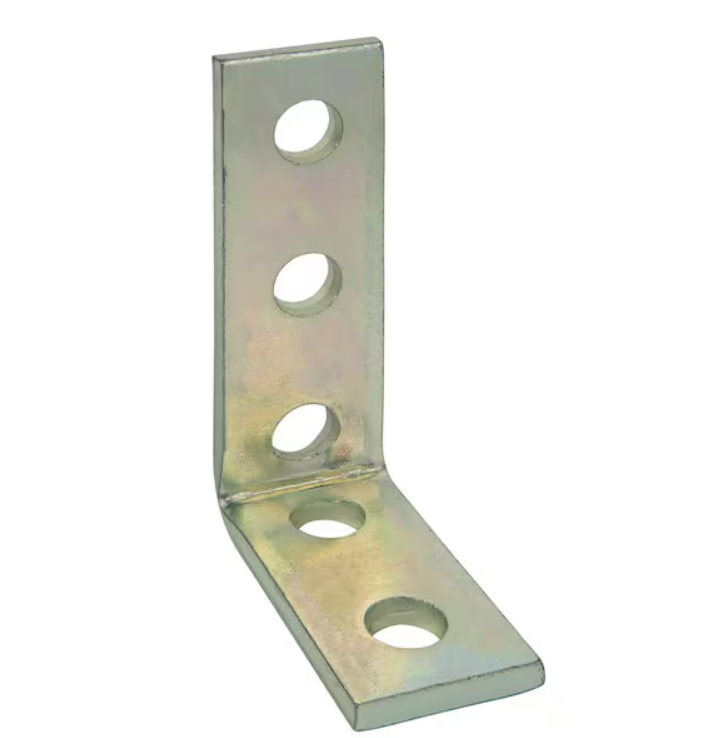
Brackets and angle fittings enable connections between Kindorf strut channels and provide the foundation for complex framework construction. Right-angle brackets create perpendicular intersections, while adjustable angle brackets accommodate non-standard angles. Flat brackets provide mounting surfaces for equipment and accessories, while formed brackets offer enhanced strength and stiffness. The variety of available brackets enables construction of virtually any geometric configuration required by specific applications.
Beam clamps and pipe clamps extend the mounting capability of Kindorf strut systems to existing structural elements. These components enable attachment to steel beams, concrete members, and various pipe sizes without drilling or welding. The non-invasive nature of beam clamps makes them particularly valuable in renovation projects or temporary installations where structural modifications must be minimized.
Threaded rod and associated hardware provide vertical support and adjustment capability within Kindorf strut systems. Available in various materials and thread patterns, threaded rod enables hanging installations and provides precise elevation control. Rod couplings, turnbuckles, and other threaded rod accessories facilitate field assembly and adjustment of complex suspended systems.
Closure strips and end caps provide finished appearances and safety protection for Kindorf strut installations. Closure strips cover the open edges of channels, preventing injury and providing a clean appearance in exposed locations. End caps seal channel ends, preventing moisture accumulation and providing professional-looking terminations. These finishing accessories prove particularly important in architectural applications where appearance matters.
Seismic bracing hardware addresses the specialized requirements of earthquake-resistant installations. These components incorporate features such as controlled slip connections, energy dissipation elements, and enhanced ductility to accommodate seismic movements. Seismic hardware undergoes specialized testing and certification to ensure compliance with building codes and performance standards.
Channel connectors and splice plates enable end-to-end joining of Kindorf strut channels, creating continuous structural members of any required length. These components maintain the strength and stiffness of the parent channels while providing reliable connections. Various connector styles accommodate different loading conditions and installation requirements.
Insulation support hardware addresses the specific needs of HVAC and process piping applications. Specialized clamps and hangers accommodate insulated pipes while preventing thermal bridging and maintaining insulation integrity. These components often incorporate non-metallic elements to prevent condensation and thermal conduction.
Custom and specialty hardware addresses unique application requirements that cannot be met with standard components. Kindorf’s engineering resources can develop specialized solutions for challenging applications, often drawing on the extensive standard hardware line as building blocks for custom assemblies. This capability ensures that even the most demanding applications can benefit from Kindorf strut system advantages.
Precision Modification: How Do You Cut a Kindorf Strut?
Cutting Kindorf struts to specific lengths represents a fundamental skill for installers and contractors working with these versatile structural components. While the process appears straightforward, proper technique ensures clean cuts, maintains structural integrity, and preserves the protective finishes that provide long-term durability.
Planning and measurement form the critical first steps in any Kindorf strut cutting operation. Accurate measurement prevents waste and ensures proper fit within the overall system. When measuring, installers must account for tolerances, connection hardware dimensions, and thermal expansion requirements. A systematic approach to measurement includes verification of dimensions and clear marking of cut locations using permanent markers or scribes.
Tool selection significantly impacts cut quality and efficiency. Abrasive cut-off saws equipped with appropriate blades provide clean, square cuts with minimal burr formation. These power tools work well for repetitive cutting operations and maintain consistent quality across multiple pieces. Reciprocating saws offer greater portability and work well for field modifications, though cut quality may be somewhat reduced compared to cut-off saws.
Band saws provide exceptional cut quality and are particularly valuable for cutting large quantities of Kindorf struts in shop environments. The continuous cutting action produces smooth surfaces with minimal heat generation, preserving protective coatings and base material properties. Variable-speed band saws can accommodate different materials and thicknesses optimally.
Hand tools maintain their place in Kindorf strut cutting applications, particularly for occasional cuts or field modifications where power tools are impractical. High-quality hacksaws equipped with appropriate blades can produce acceptable cuts, though the process requires more time and effort. Proper blade selection considers both the base material and coating characteristics of the strut being cut.
Cutting technique affects both safety and cut quality. Proper clamping or support of the workpiece prevents vibration and ensures accurate cuts. When using power tools, steady feed rates and appropriate cutting speeds minimize heat generation and reduce the risk of coating damage. Sharp blades and properly adjusted equipment reduce cutting forces and improve surface finish.
Burr removal and edge finishing prove essential for safety and appearance. Cutting operations typically leave sharp edges and burrs that can cause injury and interfere with hardware installation. Files, grinders, or deburring tools remove these imperfections and restore smooth edges. Particular attention should be paid to slot openings, which must remain clean and properly dimensioned for hardware compatibility.
Coating repair may be necessary for galvanized Kindorf struts cut in the field. Cold galvanizing compounds or zinc-rich paints can provide protection for cut edges, though the performance may not match the original hot-dip coating. For critical applications or corrosive environments, factory-cut lengths may be preferable to field cutting.
Safety considerations during cutting operations include proper eye protection, hearing protection, and respiratory protection when appropriate. The cutting process can generate metal particles, sparks, and potentially hazardous dust, particularly when cutting coated materials. Proper ventilation and personal protective equipment minimize exposure risks.
Quality control of cut operations includes verification of dimensions, edge condition, and coating integrity. Cut pieces should be inspected for square ends, proper length, and freedom from damage. Any pieces not meeting quality standards should be reworked or discarded to maintain system integrity.
Weather and Elements: Can Kindorf Struts Be Used Outdoors?
The suitability of Kindorf struts for outdoor applications represents a critical consideration for many projects, given the harsh environmental conditions that can challenge even the most robust structural systems. Understanding the performance characteristics, protective measures, and limitations of these products in outdoor environments enables confident specification and long-term reliability.
Standard galvanized Kindorf struts provide excellent performance in most outdoor environments, with service lives often exceeding several decades. The hot-dip galvanizing process creates a robust zinc coating that provides sacrificial protection for the underlying steel substrate. This protection mechanism continues to function even when the coating is scratched or damaged, making galvanized struts particularly suitable for outdoor installations where impact damage might occur.
Climate considerations significantly influence the long-term performance of outdoor Kindorf strut installations. Temperate climates with moderate humidity and minimal industrial pollution provide ideal conditions for galvanized products, often resulting in service lives exceeding 50 years. More challenging conditions, such as high humidity, frequent precipitation, or exposure to industrial contaminants, may reduce service life but still provide decades of reliable performance.
Coastal environments present unique challenges due to the presence of chloride ions in sea spray and humid air. While galvanized Kindorf struts can provide acceptable performance in many coastal applications, the accelerated corrosion rates in marine environments may reduce service life compared to inland locations. For critical coastal installations or extended service life requirements, stainless steel alternatives may provide superior long-term value.
Industrial outdoor environments combine multiple corrosion challenges, including chemical exposure, elevated temperatures, and abrasive conditions. Kindorf struts have demonstrated successful performance in many industrial applications, including petrochemical plants, power generation facilities, and manufacturing complexes. However, specific conditions may require material upgrades, supplementary coatings, or enhanced maintenance programs.
Temperature cycling effects must be considered for outdoor Kindorf strut installations subject to significant seasonal variations. While the base materials and coatings can accommodate wide temperature ranges, repeated expansion and contraction cycles can stress connections and potentially accelerate wear. Proper system design accounts for thermal movement and incorporates expansion joints where necessary.
UV exposure from sunlight primarily affects organic coatings and components but has minimal impact on galvanized Kindorf struts. The metallic zinc coating provides excellent UV stability and will not degrade under normal solar exposure. However, plastic or rubber components within the system may require UV-resistant formulations for outdoor service.
Water drainage and ventilation considerations become critical for outdoor Kindorf strut installations. System design should minimize water accumulation and provide drainage paths to prevent standing water. Proper ventilation helps maintain dry conditions and reduces the risk of accelerated corrosion. Sloped installations and strategic drain holes can significantly enhance long-term performance.
Installation practices for outdoor Kindorf strut systems require additional attention to detail compared to indoor applications. Connection points should be properly sealed to prevent water intrusion, and dissimilar metal contacts should be avoided to prevent galvanic corrosion. Proper support spacing accounts for additional loads from wind, snow, and ice accumulation.
Maintenance requirements for outdoor Kindorf strut installations typically remain minimal but may include periodic inspection and cleaning. Removal of accumulated debris, salt deposits, or chemical contaminants can extend service life and maintain optimal performance. Touch-up of coating damage, while not always necessary, can provide additional protection in harsh environments.
Structural Engineering: What is the Load Capacity of a Kindorf Strut System?
Understanding the load capacity of Kindorf strut systems requires comprehensive analysis of numerous interconnected factors that influence structural performance. Unlike simple beam calculations, strut systems involve complex three-dimensional frameworks where loads are distributed through multiple members and connections, creating sophisticated load paths that demand careful engineering analysis.
System load capacity fundamentally differs from individual component capacity due to the interaction effects between multiple structural elements. While a single Kindorf strut might support a specific load over a given span, the same strut functioning as part of a larger framework might exhibit different performance characteristics due to load sharing, restraint effects, and stability considerations. These system effects can either enhance or reduce capacity depending on the specific configuration and loading patterns.
Primary structural elements within Kindorf strut systems carry the major loads and establish the basic framework geometry. These elements typically consist of the main load-bearing channels that span between primary support points and transfer loads to the building structure. The capacity of these primary elements often governs the overall system performance, making their proper sizing and selection critical to successful design.
Secondary structural elements provide stability, distribute loads, and support auxiliary systems within the Kindorf strut framework. These components include cross-bracing, intermediate supports, and connection members that maintain system geometry and prevent buckling or instability. While secondary elements may carry relatively light loads, their failure can compromise the entire system, making their proper design equally important.
Load distribution mechanisms within Kindorf strut systems determine how applied forces travel through the framework to the supporting structure. Concentrated loads applied at specific points must be distributed through the system to prevent localized overstress. The slotted design of the channels facilitates load distribution through multiple connection points, often enabling higher system capacities than would be possible with simple beam arrangements.
Connection capacity frequently governs overall system performance rather than member strength. The interface between Kindorf struts and their connecting hardware must transfer loads safely without failure or excessive deformation. Complex loading patterns can create challenging connection requirements that may necessitate specialized hardware or reinforcement details. Proper connection analysis considers both ultimate strength and serviceability requirements.
Stability considerations become increasingly important as Kindorf strut systems become larger and more complex. Long, slender members may be subject to buckling under compression loads, while inadequately braced systems can experience lateral instability. The three-dimensional nature of most strut systems provides inherent stability, but proper analysis must verify that adequate bracing exists to prevent failure modes such as lateral-torsional buckling.
Dynamic effects can significantly influence the performance of Kindorf strut systems supporting vibrating equipment or subject to impact loads. The natural frequency characteristics of the system must be considered to avoid resonance conditions that could amplify dynamic loads. Impact and fatigue effects may require reduced allowable stresses or specialized connection details to ensure reliable long-term performance.
Environmental factors including temperature, humidity, and chemical exposure can affect system load capacity over time. High temperatures may reduce material strength, while corrosive environments can reduce effective cross-sections through material loss. Proper environmental analysis ensures that capacity calculations reflect actual service conditions rather than laboratory conditions.
Safety factors incorporated into Kindorf strut system design account for uncertainties in loading, material properties, and construction quality. These factors typically range from 2.5 to 4.0 for static loads, with higher values applied to dynamic or impact loading conditions. The selection of appropriate safety factors requires consideration of consequence of failure, loading predictability, and construction quality expectations.
Surface Excellence: What Finishes Are Available for Kindorf Struts?
The finish selection for Kindorf struts represents a critical decision that affects both performance and economics over the product lifecycle. Available finishes range from basic protective coatings to sophisticated systems designed for specific environmental challenges, each offering distinct advantages in terms of corrosion resistance, appearance, and cost.
Hot-dip galvanizing remains the most popular and widely specified finish for Kindorf struts, providing exceptional corrosion protection through a metallurgical bond between the base steel and a zinc coating. This finish creates a robust barrier that provides sacrificial protection, meaning the zinc coating corrodes preferentially to protect the underlying steel substrate. The process produces a distinctive spangled appearance that many find aesthetically pleasing while providing decades of maintenance-free service in most environments.
The hot-dip galvanizing process for Kindorf struts typically produces coatings measuring 2.0 to 3.0 mils in thickness, significantly exceeding ASTM A123 minimum requirements. This additional coating weight provides enhanced protection and extends service life, particularly in challenging environments. The process ensures complete coverage of internal surfaces and complex geometries, providing uniform protection throughout the product.
Powder coating finishes offer enhanced appearance options and can provide excellent corrosion protection when properly applied over appropriate surface preparation. These organic coatings are available in virtually unlimited colors and textures, enabling architectural integration and aesthetic enhancement. The electrostatic application process ensures uniform coverage and excellent adhesion, while the thermal curing process creates a durable, chip-resistant surface.
Duplex systems combine hot-dip galvanizing with organic topcoats to provide the ultimate in corrosion protection and appearance. These systems begin with galvanized Kindorf struts that receive additional powder coating or liquid paint finishes. The galvanized substrate provides barrier protection and sacrificial action, while the organic topcoat provides additional barrier protection and enhanced appearance. Duplex systems often provide service lives two to three times longer than either finish alone.
Mill finish or black steel represents the most economical option for Kindorf struts intended for indoor applications where corrosion is not a concern. These products receive minimal finishing beyond the removal of mill scale and the application of light protective oils. While mill finish struts require prompt installation and may need field-applied coatings for long-term protection, they offer significant cost savings for appropriate applications.
Stainless steel Kindorf struts provide inherent corrosion resistance without the need for applied finishes. The passive oxide film that forms naturally on stainless steel surfaces provides excellent corrosion protection in most environments. Various surface finishes are available, from mill finish to polished surfaces, depending on appearance requirements and environmental conditions. The natural appearance of stainless steel proves particularly suitable for architectural applications.
Specialized finishes address unique environmental challenges or performance requirements. These might include high-temperature coatings for elevated temperature service, chemical-resistant coatings for aggressive environments, or conductive coatings for electromagnetic shielding applications. Such finishes typically require custom specification and may involve longer lead times and higher costs.
Environmental considerations influence finish selection based on the specific service conditions anticipated for the Kindorf strut installation. Indoor environments with controlled conditions may require minimal protection, while outdoor or industrial applications demand robust protective systems. Chemical exposure, temperature extremes, and abrasive conditions all influence finish requirements and may dictate specific coating systems.
Maintenance implications of different finishes vary significantly and should be considered in lifecycle cost analyses. Galvanized Kindorf struts typically require minimal maintenance over their service life, while organic coatings may require periodic touch-up or renewal. The accessibility of the installation for maintenance activities may influence finish selection, with more durable systems preferred for difficult-to-reach locations.
Safety and Compliance: Are Kindorf Struts UL-Listed?
The safety certification and regulatory compliance of Kindorf struts represent critical considerations for many applications, particularly those governed by building codes, electrical standards, or industrial safety regulations. Understanding the testing, certification, and listing status of these products ensures proper specification and regulatory compliance in safety-critical applications.
UL (Underwriters Laboratories) listing for Kindorf struts depends on the specific product configuration and intended application. Many standard Kindorf strut products carry UL listing for specific applications such as electrical support systems, where they have undergone testing to verify their safety and performance characteristics. The UL listing process involves comprehensive testing of materials, construction, and performance under simulated service conditions.
The UL listing for Kindorf struts typically covers their use as support systems for electrical equipment and wiring methods. This listing verifies that the products meet applicable safety standards for electrical installations, including requirements for fire resistance, mechanical strength, and compatibility with electrical systems. The listing provides assurance that the products will perform safely under normal and abnormal service conditions.
Testing protocols for UL-listed Kindorf struts include mechanical load testing, environmental exposure testing, and fire performance evaluation. Mechanical tests verify that the products can support specified loads without failure or excessive deformation. Environmental tests evaluate performance under temperature extremes, humidity, and other conditions that might be encountered in service. Fire tests assess the contribution of materials to fire spread and smoke generation.
Certification markings on UL-listed Kindorf struts provide verification of compliance and enable field inspection verification. These markings typically include the UL symbol, manufacturer identification, product model information, and applicable standards references. Proper marking ensures that inspectors and authorities having jurisdiction can verify compliance with applicable requirements.
Other safety certifications may apply to Kindorf struts depending on the specific application and jurisdiction. Canadian Standards Association (CSA) listings provide compliance verification for Canadian installations, while international certifications such as CE marking address European requirements. These various certifications ensure global applicability and compliance with regional safety standards.
Building code compliance represents another critical aspect of Kindorf strut safety certification. Many building codes reference UL standards or require UL-listed products for specific applications. The International Building Code (IBC) and National Electrical Code (NEC) include provisions that may affect Kindorf strut installations, making proper certification essential for code compliance.
Seismic certification addresses the specialized requirements for earthquake-resistant installations. Kindorf struts and their associated hardware can undergo specialized seismic testing to verify their performance under earthquake loading conditions. This certification proves particularly important in seismic zones where building codes mandate specific performance requirements for structural support systems.
Quality assurance programs associated with UL listing ensure ongoing compliance with applicable standards. These programs typically include periodic factory inspections, quality control testing, and documentation requirements. The ongoing surveillance ensures that listed products continue to meet the same standards that applied during initial certification.
Installation requirements associated with UL-listed Kindorf struts must be followed to maintain the validity of the listing. These requirements may specify connection methods, support spacing, load limits, and other installation parameters. Deviation from listed installation requirements can void the certification and create compliance issues with building codes and safety regulations.
Documentation and record-keeping associated with UL-listed Kindorf struts provide verification of compliance for inspection and liability purposes. Proper documentation includes product submittals, installation records, and certification markings. These records prove essential for demonstrating code compliance and can significantly impact liability considerations in the event of problems.
Standard Dimensions: What is the Standard Length of a Kindorf Strut Channel?
The standardization of Kindorf strut channel lengths reflects decades of industry experience and optimization to balance inventory efficiency, shipping constraints, field handling requirements, and waste minimization. Understanding these standard dimensions and their implications enables more efficient project planning and cost optimization.
The most common standard length for Kindorf strut channels measures 10 feet (120 inches), representing an optimal balance of handling convenience and material utilization. This length proves manageable for most installation crews while minimizing the number of joints required in typical applications. The 10-foot standard length also coordinates well with building grid systems and structural bay spacing commonly used in construction.
Twenty-foot lengths represent the other primary standard offering for Kindorf struts, providing advantages in applications requiring longer spans or minimal joints. While these longer lengths reduce the number of connection points required, they present challenges in handling, transportation, and storage. The 20-foot standard proves particularly valuable for long runs of electrical or mechanical supports where joint minimization is desired.
Custom lengths can be specified for Kindorf struts to optimize material utilization and reduce field cutting requirements. These custom lengths typically require minimum order quantities and extended lead times but can provide significant value in large projects where standardization is possible. The elimination of field cutting reduces labor costs while ensuring optimal dimensional accuracy.
Shipping constraints often influence the practical length limitations for Kindorf struts, particularly for projects requiring long-distance transportation. Standard truck transportation can accommodate lengths up to approximately 40 feet, while rail shipment can handle longer lengths. These transportation limitations must be considered when specifying non-standard lengths or planning delivery schedules.
Handling considerations affect the practical maximum length for Kindorf struts in typical construction environments. While 20-foot lengths remain manageable for most crews, longer lengths may require special handling equipment or additional personnel. The slender cross-section of strut channels makes them susceptible to damage during handling, particularly in longer lengths where deflection becomes more pronounced.
Storage and inventory management favor standard lengths that can be easily managed in typical warehouse environments. The 10-foot and 20-foot standard lengths stack efficiently and can be handled with standard warehouse equipment. Non-standard lengths may require special storage arrangements and can complicate inventory management systems.
Field cutting requirements decrease with longer standard lengths but never eliminate entirely due to the need for precise fit in field conditions. Even with careful planning and accurate field measurement, some cutting is typically required to accommodate actual field conditions. The ability to cut Kindorf struts easily in the field provides flexibility that enables efficient installation regardless of standard length limitations.
Economic considerations balance the costs of longer standard lengths against the savings from reduced connections and cutting labor. While longer lengths typically carry premium pricing, the reduction in connection hardware and installation labor often provides overall cost savings. Detailed cost analysis considering all factors usually favors the longest practical length for specific applications.
Structural considerations may influence optimal length selection for Kindorf struts in specific applications. Longer unsupported lengths may require larger channel sizes to maintain adequate stiffness and deflection control. The relationship between length, load capacity, and deflection must be considered in system design to ensure optimal performance.
Quality control and manufacturing considerations affect the practical limits for Kindorf strut standard lengths. Longer channels require more sophisticated manufacturing equipment and quality control procedures to maintain dimensional accuracy. The cold-forming process used to create the channel shape becomes more challenging as length increases, potentially affecting consistency and quality.
Secure Installation: How Do You Secure a Kindorf Strut to a Wall or Ceiling?
Securing Kindorf struts to building structures requires careful attention to load paths, connection strength, and long-term reliability. The attachment method must consider the substrate material, loading conditions, environmental factors, and accessibility requirements to ensure safe and durable installations.
Concrete attachment represents one of the most common scenarios for Kindorf strut installation and offers several proven connection methods. Expansion anchors provide reliable connections for moderate loads and are particularly suitable for retrofit installations where drilling is acceptable. The selection of expansion anchors must consider the concrete strength, reinforcement location, and anticipated loads. Proper installation includes verification of embedment depth, torque values, and anchor spacing requirements.
Concrete insert systems offer superior performance for Kindorf strut attachments planned during concrete placement. These systems embed specialized anchoring devices within the concrete during casting, providing high load capacity and excellent long-term reliability. Insert systems prove particularly valuable for repetitive installations or high-load applications where expansion anchor capacity might be marginal.
Steel structure attachment utilizes welding, bolting, or clamping methods depending on accessibility and structural requirements. Welded connections provide the highest strength and stiffness but require qualified welders and may affect steel coatings. Bolted connections offer removability and easier installation but require access to both sides of the structural member. Beam clamps provide non-invasive attachment methods that preserve existing finishes and avoid structural modifications.
Masonry attachment presents unique challenges due to the variability in masonry materials and construction methods. Hollow masonry units require specialized fasteners designed to expand within the hollow cores or transfer loads to solid portions. Solid masonry can accommodate expansion anchors similar to concrete applications, though load capacities may be reduced. The mortar joint quality and masonry unit strength significantly influence connection reliability.
Wood structure attachment typically utilizes lag screws or through-bolts to secure Kindorf strut mounting brackets. The connection design must account for the orthotropic properties of wood and potential for splitting or bearing failure. Proper fastener selection considers the wood species, moisture content, and load direction. Metal side plates or washers may be required to distribute loads and prevent bearing failures.
Ceiling installations require special consideration of gravity loads and potential seismic effects. Suspended installations typically utilize threaded rod systems with appropriate hangers and safety factors. The ceiling structure must be evaluated to ensure adequate capacity for the imposed loads. Vibration and dynamic effects may require additional bracing or isolation measures.
Load transfer mechanisms from Kindorf struts to the building structure must be carefully engineered to ensure safe load paths. The connection design should provide clear load paths that can be analyzed and verified. Complex loading patterns may require specialized connection hardware or reinforcement details to ensure adequate strength and stiffness.
Seismic considerations become critical for Kindorf strut installations in earthquake-prone regions. Building codes may require specific connection details, bracing patterns, or dynamic analysis to ensure adequate seismic performance. Seismic connections often incorporate controlled movement or energy dissipation features to accommodate earthquake motions without failure.
Thermal movement accommodation may be necessary for Kindorf strut installations subject to significant temperature variations. Long runs or installations bridging expansion joints may require sliding connections or expansion details to prevent overstress from thermal expansion and contraction. The connection design should allow for anticipated movement while maintaining structural integrity.
Installation quality control ensures that Kindorf strut connections achieve their design performance. This includes verification of fastener types, installation procedures, torque values, and spacing requirements. Inspection of completed connections should verify proper engagement, adequate edge distances, and freedom from installation damage. Documentation of connection details provides valuable information for future maintenance or modification activities.
Versatile Applications: What are Common Applications for Kindorf Struts in Construction?
The versatility of Kindorf struts has led to their adoption across virtually every sector of the construction industry, where they serve as the backbone for countless support systems and structural frameworks. Understanding these diverse applications reveals the remarkable adaptability and value proposition of these engineered systems.
Electrical installations represent perhaps the most widespread application for Kindorf struts, where they provide organized support for conduits, cable trays, and electrical equipment. The system’s ability to create complex three-dimensional frameworks enables efficient routing of electrical systems while maintaining accessibility for maintenance and future modifications. In commercial buildings, Kindorf struts commonly support main electrical distribution systems, emergency lighting circuits, and telecommunications infrastructure.
HVAC system support represents another major application category where Kindorf struts excel at supporting ductwork, equipment, and piping systems. The adjustability and modularity of the system enable efficient accommodation of complex routing requirements while maintaining proper slope for drainage and adequate clearances for maintenance. Large commercial and industrial HVAC installations benefit particularly from the system’s ability to integrate multiple support functions within a unified framework.
Industrial facilities utilize Kindorf struts extensively for process equipment support, conveyor systems, and utility distribution. The system’s load-carrying capacity and environmental resistance make it well-suited for demanding industrial applications where reliability and durability are paramount. Manufacturing facilities often employ Kindorf strut systems for overhead crane runways, equipment platforms, and material handling systems.
Data centers and telecommunications facilities have embraced Kindorf struts for cable management, equipment support, and raised floor systems. The system’s ability to accommodate dense cable installations while maintaining organization and accessibility proves invaluable in these technology-intensive environments. The non-magnetic properties of aluminum Kindorf struts provide additional benefits in sensitive electronic environments.
Healthcare facilities present unique challenges that Kindorf struts address effectively through specialized configurations and finishes. Medical equipment support, clean room installations, and laboratory utility distribution all benefit from the system’s cleanliness, adjustability, and corrosion resistance. The ability to create smooth, cleanable surfaces while maintaining structural integrity proves particularly valuable in sterile environments.
Educational facilities utilize Kindorf struts for science laboratory installations, technology infrastructure, and maintenance access systems. The system’s safety characteristics and code compliance make it well-suited for environments where student and staff safety is paramount. The ability to easily reconfigure systems as educational needs evolve provides additional value in these dynamic environments.
Retail and commercial applications leverage Kindorf struts for display systems, lighting support, and facility infrastructure. The system’s aesthetic flexibility enables integration with architectural requirements while providing the structural performance needed for commercial applications. Shopping centers and retail stores often employ Kindorf strut systems for signage support, security system installation, and utility distribution.
Transportation facilities including airports, rail stations, and bus terminals utilize Kindorf struts for passenger information systems, security equipment support, and facility infrastructure. The system’s durability and low maintenance requirements prove particularly valuable in these high-traffic environments where system reliability is critical for operational continuity.
Residential applications for Kindorf struts continue to expand as homeowners and contractors recognize the system’s versatility for garage organization, workshop installations, and utility room improvements. The ease of installation and modification enables DIY-friendly projects while providing professional-quality results. Home automation and smart home installations increasingly rely on Kindorf strut systems for clean, organized equipment mounting.
Specialized applications demonstrate the remarkable adaptability of Kindorf struts to unique requirements. These might include clean room installations, explosion-proof environments, or extreme temperature applications. The availability of specialized materials and finishes enables the system to address even the most challenging application requirements while maintaining the benefits of standardization and modularity.
Technical Documentation: Are There Any Installation Guides or Manuals for Kindorf Struts?
The comprehensive technical documentation available for Kindorf struts reflects the company’s commitment to supporting successful installations and optimal system performance. This extensive library of resources serves engineers, contractors, and installers at every level of experience and project complexity.
Installation manuals provide step-by-step guidance for proper Kindorf strut installation techniques, covering everything from basic connections to complex three-dimensional frameworks. These documents include detailed illustrations, torque specifications, and quality control checkpoints that ensure installations meet design requirements and safety standards. The manuals address common field conditions and provide solutions for typical installation challenges.
Engineering guides offer comprehensive technical information for system design and analysis. These resources include load tables, span charts, and connection capacities that enable proper sizing and selection of Kindorf strut components. The engineering documentation provides the technical foundation for safe and efficient system design while addressing code requirements and industry standards.
Product catalogs present complete specifications, dimensions, and performance data for the entire Kindorf strut product line. These comprehensive references enable accurate material takeoffs and ensure compatibility between system components. The catalogs include ordering information, availability data, and technical specifications needed for project specification and procurement.
Detail drawings illustrate proper connection methods, typical installations, and recommended practices for Kindorf strut systems. These technical illustrations provide visual guidance that complements written instructions and help ensure proper installation techniques. The detail drawings address both standard configurations and specialized applications that might require unique approaches.
Code compliance guides address the regulatory requirements applicable to Kindorf strut installations in various occupancies and applications. These resources help ensure that installations meet applicable building codes, safety standards, and industry requirements. The guides provide specific guidance for seismic installations, fire-rated assemblies, and other specialized applications governed by regulatory requirements.
Training materials support skill development for installers and engineers working with Kindorf strut systems. These resources might include video presentations, hands-on training programs, and certification courses that ensure proper installation techniques and system understanding. The training programs help maintain quality standards and promote safe installation practices.
Digital resources including CAD files, BIM models, and software tools support modern design and documentation practices. These resources enable seamless integration of Kindorf strut systems into building information models and facilitate accurate quantity takeoffs and cost estimating. The digital tools enhance design efficiency and improve coordination with other building systems.
Application guides address specific industry sectors or specialized applications that benefit from Kindorf strut systems. These focused resources provide targeted information for healthcare facilities, data centers, industrial installations, and other specialized applications. The application-specific guidance helps optimize system design for particular requirements and operating conditions.
Technical bulletins provide updates on new products, revised specifications, and application recommendations. These periodic communications keep users informed of developments that might affect their installations or future projects. The bulletins often address frequently asked questions or provide clarification on technical issues.
Customer support services complement the written documentation with direct access to technical expertise. This support might include telephone consultation, field assistance, or engineering analysis for complex applications. The availability of direct support ensures that even the most challenging applications can benefit from Kindorf strut system advantages while maintaining proper performance and safety standards.
Conclusion: The Enduring Legacy of Engineering Excellence
As we conclude this comprehensive exploration of Kindorf struts, it becomes clear that these remarkable structural components represent far more than simple metal channels. They embody a philosophy of engineering excellence that prioritizes versatility, reliability, and innovation while maintaining the practical focus that makes them indispensable in modern construction.
The story of Kindorf struts is ultimately a story of evolution – both in the products themselves and in the construction industry that has embraced them. From their origins as a solution to specific installation challenges, these systems have grown to become fundamental building blocks of modern infrastructure. Their influence extends across every sector of construction, from the smallest residential projects to the largest industrial complexes.
The technical excellence that defines Kindorf struts results from decades of continuous improvement, driven by real-world experience and evolving industry needs. The comprehensive product line, extensive documentation, and robust support infrastructure reflect a deep understanding of customer requirements and a commitment to enabling success at every level of the construction industry.
Looking forward, Kindorf struts will undoubtedly continue to evolve, incorporating new materials, finishes, and design innovations that address emerging challenges and opportunities. The fundamental principles of modularity, reliability, and versatility that have driven their success will continue to guide future developments, ensuring that these essential components remain at the forefront of structural support technology.
For engineers, contractors, and facility owners seeking reliable, cost-effective solutions for structural support challenges, Kindorf struts offer a proven path to success. Their combination of technical excellence, comprehensive support, and proven performance makes them an obvious choice for discerning professionals who demand the best from their structural systems. In a world where quality and reliability matter more than ever, Kindorf struts stand as enduring symbols of engineering excellence and practical innovation.